When we choose WPC flooring, its lifespan is often one of the most concerning issues for everyone. This type of flooring, which is composed of wood fibers and polymer materials, is highly favored due to its moisture-proof and wear-resistant properties. However, its actual durability period cannot be summarized by a single number, but is closely related to material quality, installation process, and daily use environment. Understanding how these factors interact can help us more comprehensively evaluate whether WPC flooring can maintain long-term stability and aesthetics.
Key factors affecting the lifespan of WPC flooring
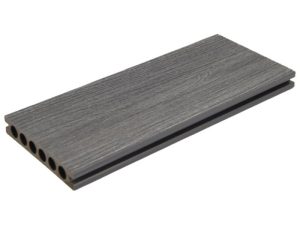
The lifespan of WPC flooring primarily depends on its raw material ratio and production process. The proportion of wood fiber and plastic in high-quality wood plastic composite materials is balanced, and sufficient stabilizers and mold inhibitors are added to effectively resist moisture deformation and biological erosion. The thickness of high-density co extruded layer or wear-resistant layer directly determines the scratch and wear resistance of the floor.
The installation process is another core factor. Before paving, the base layer must be flat and dry, with sufficient expansion joints reserved to adapt to temperature and humidity changes. Improper installation can cause uneven local stress on the floor, leading to warping or cracking.
The usage environment is equally critical. Long term exposure to sunlight can cause the surface to fade and age, and a continuous humid environment may affect the stability of the internal structure. Although WPC is more waterproof than solid wood, long-term soaking can still shorten its service life.
The role of daily use and maintenance in extending lifespan
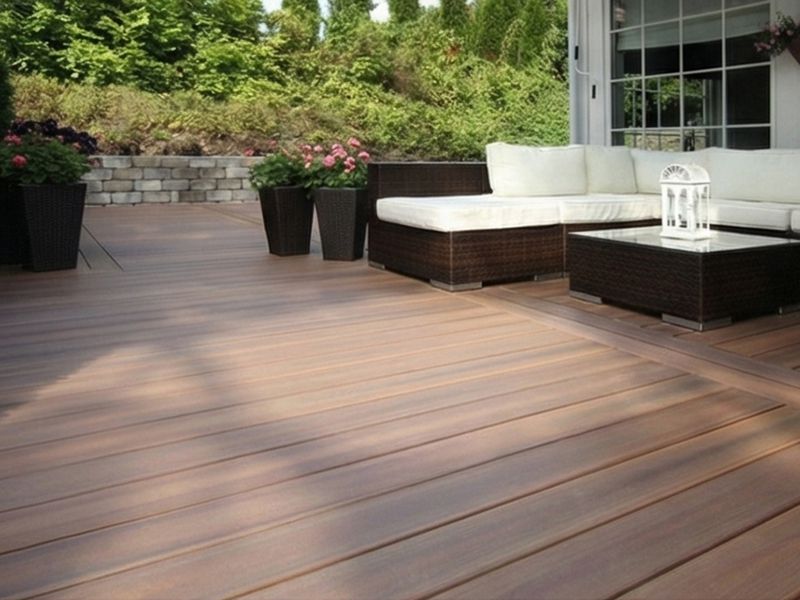
Daily maintenance is the core of extending the lifespan of WPC flooring. Regular cleaning and dry mopping can prevent the surface protective layer from being worn by gravel. Avoid long-term fixed-point pressure from heavy objects and use furniture floor mats to distribute pressure. Timely wipe off spilled liquids, especially oily or acidic substances, to prevent infiltration and erosion. Maintain a relatively stable temperature and humidity indoors, avoiding long-term direct sunlight that may cause fading or deformation. Neutral cleaning agents should be used during cleaning, and it is strictly prohibited to use strong acid and alkali products or steel wire balls for friction. For WPC flooring used outdoors, regular checks should be conducted to ensure proper drainage and prevent water accumulation and soaking. Following these simple maintenance principles can significantly delay material aging and maintain its beauty and functionality for a long time.
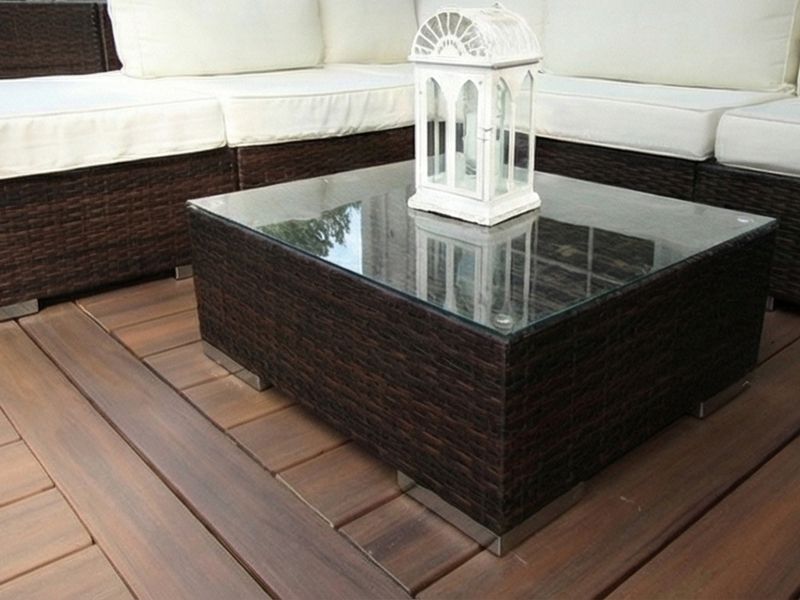
How to determine if WPC flooring needs to be replaced
Observe whether there is irreparable severe wear, scratches, or fading on the surface of the floor, which directly affects its appearance and anti slip performance. Check if there is any obvious looseness or deformation at the floor lock buckle, as the enlarged joint may cause water leakage and affect structural stability. Pay attention to whether the floor has local warping, sinking, or softening, which usually means that the internal materials have been damaged or there are hidden dangers in the base layer. If the floor still emits a persistent odor after cleaning and drying, it may be due to irreversible deterioration of the material. When maintenance costs continue to increase and problems repeatedly occur, replacement is more economical and practical than repair.