When choosing flooring for your home, WPC flooring and traditional wooden flooring often become hesitant options. They all look like they have warm wooden textures, but they have essential differences in material core, user experience, and long-term maintenance. Understanding these differences is the key first step in helping you make wise choices based on your own actual situation.
Appearance and texture comparison: natural beauty and diverse choices
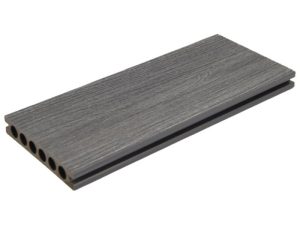
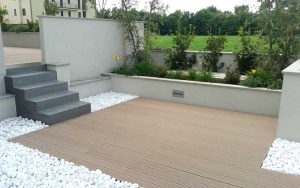
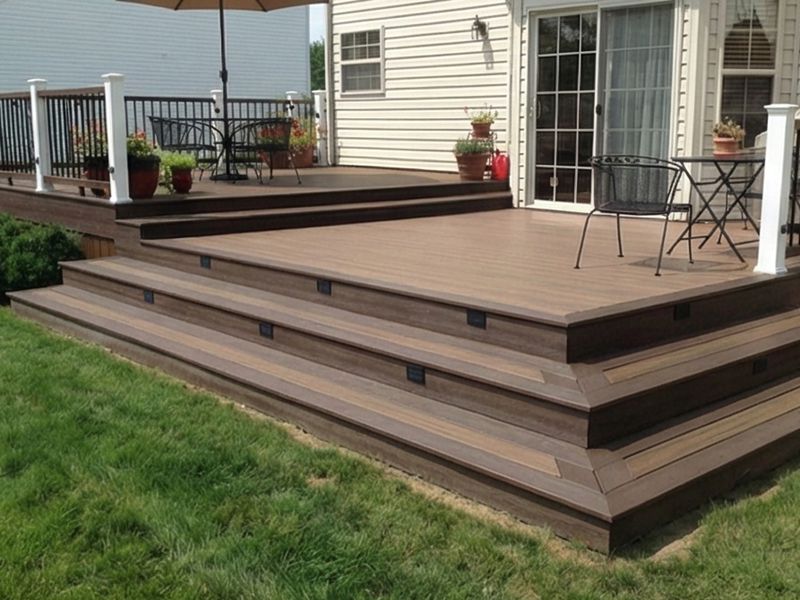
Wooden flooring has the unique texture and warm touch of natural wood, with each piece having a different color and knot, creating a simple and warm atmosphere. Its surface texture is authentic, but the overall color tone and style are limited by the type of wood. WPC flooring uses advanced printing technology to accurately replicate the textures of various precious woods, and even patterns of stones, providing richer color and style choices. Its surface is usually covered with a wear-resistant layer, with a smooth and consistent touch. Although it lacks the natural touch of solid wood, it can be visually indistinguishable from real wood and can easily achieve a unified paving effect, meeting diverse modern design needs.
Performance and Durability Analysis: Moisture, Wear, and Daily Maintenance
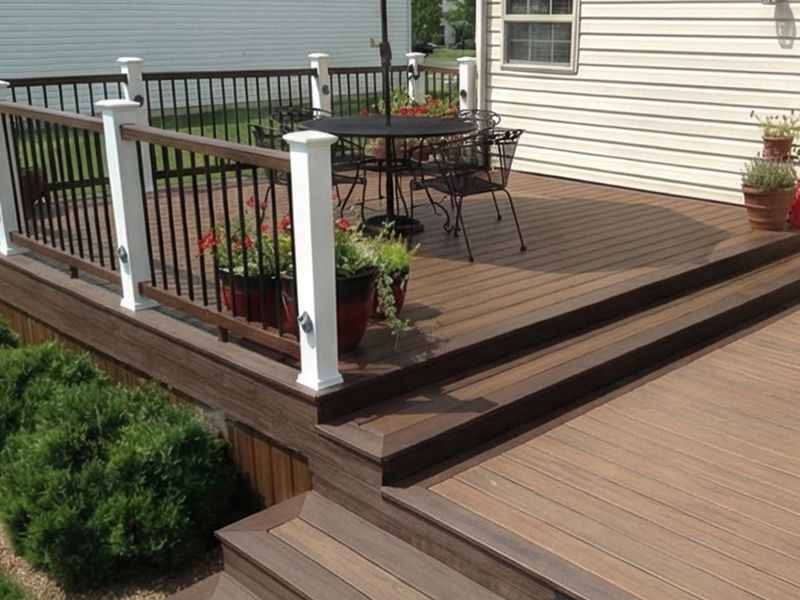
The core advantage of WPC flooring lies in its excellent waterproof and moisture-proof performance. Its material is not afraid of water immersion and is stable for a long time, making it very suitable for damp areas such as kitchens and bathrooms. Its surface wear-resistant layer is scratch resistant, and it is not easy to leave marks during daily use. Cleaning and maintenance are extremely simple, just wet drag. Wooden flooring, especially solid wood, is sensitive to moisture, and changes in environmental humidity may cause expansion, deformation, or mold. Its surface hardness is low, and furniture movement is prone to scratches. The daily maintenance requirements are relatively high, requiring regular waxing and avoiding large amounts of water stains, resulting in higher maintenance costs. In terms of durability, WPC is better suited for complex home environments.
Installation cost and environmental considerations: budget, schedule, and sustainability
WPC flooring often adopts a locking suspension installation, which does not require glue or keel. Ordinary households can quickly lay it on their own, saving a lot of labor and time costs. The installation of wooden flooring is complex, and solid wood usually requires the installation of keels, which has a long construction period and high professional requirements, resulting in significantly higher labor costs. In the long run, WPC is waterproof, moisture resistant, stable, and has extremely low maintenance costs; Solid wood flooring requires regular maintenance and is prone to deformation in humid environments, resulting in higher potential maintenance costs.
In terms of environmental protection, WPC mainly utilizes recycled plastics and wood powder to reduce resource consumption and waste. But its plastic composition may affect the final recycling. Solid wood flooring originates from natural wood, and if taken from sustainably managed forests, it is environmentally friendly, but the production process involves more energy consumption. Composite wood flooring may use adhesives containing formaldehyde, and attention should be paid to environmental protection levels. When choosing, it is necessary to weigh the comprehensive impact of material sources, production processes, and service life.