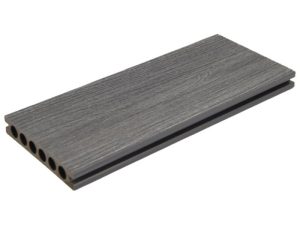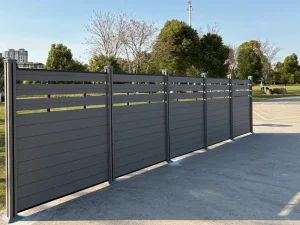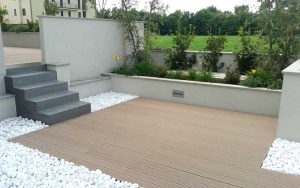
When people consider laying flooring for courtyards, balconies, or terraces, plastic wood materials often receive attention due to their “durable and maintenance free” promotion. It is made by mixing wood fibers with plastic, with an appearance similar to natural wood, but claims to resist decay, insect infestation, and moisture. However, in the face of real sun, rain, temperature changes, and daily use, many consumers still have doubts in their minds: can this new type of composite material withstand the test of time outdoors, and is its durability truly worthy of the name or exaggerated?
Material characteristics and durability foundation of plastic wood flooring
Plastic wood flooring is composed of composite wood fibers and plastic polymers. Its core durability comes from the stability of the material: the plastic component effectively resists moisture infiltration, avoiding the problems of decay and warping of traditional wood; Wood fibers enhance structural strength and reduce the brittleness of pure plastic products. This composite material is naturally insect resistant, not afraid of mold, and does not require regular painting and maintenance like solid wood. The added anti UV agents and antioxidants further slow down outdoor aging, allowing the plastic wood to maintain stable shape even under temperature changes, laying the foundation for long-term use.
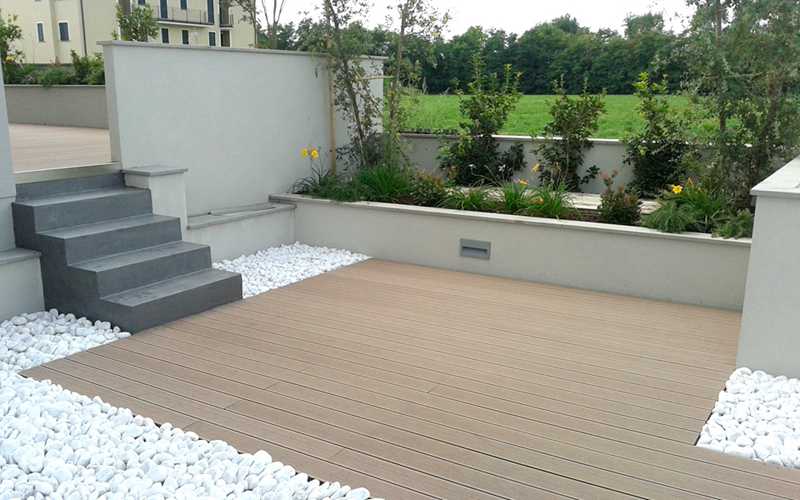
The practical test of outdoor environment on plastic wood flooring
Outdoor plastic wood flooring is exposed to sunlight and rain for a long time. Intense ultraviolet radiation may cause slight color fading on the surface, but the anti UV agent contained in high-quality plastic wood can effectively slow down this process. In humid and rainy environments, it is moisture-proof and corrosion-resistant, and will not absorb water, expand or rot like solid wood. Alternating between extreme cold and high temperature may lead to thermal expansion and contraction, but reasonable installation clearances reserve deformation space. In daily use, its surface is wear-resistant, not easily scratched, and has good anti slip performance. Plastic wood is not afraid of insect infestation and also avoids the common problem of mold growth outdoors.
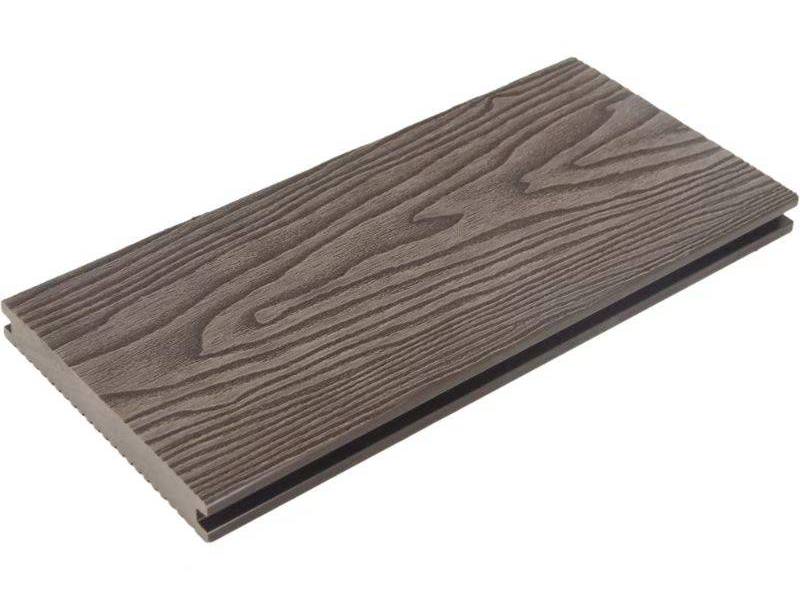
Comparison of Durability between Plastic Wood Flooring and Traditional Outdoor Flooring
Compared with traditional solid wood flooring, plastic wood flooring has significant advantages in moisture and corrosion prevention. It is not afraid of rainwater immersion, will not rot, crack or breed mold, and avoids the common deformation problems of solid wood. Compared with pure plastic flooring, plastic wood has better hardness and impact resistance, and is less prone to softening and deformation in sunlight. Compared to anti-corrosion wood, it does not require regular painting and maintenance, and does not contain harmful chemicals, resulting in a longer service life. However, at extreme high temperatures, its surface heat resistance may be slightly inferior to high-quality stone or ceramic tiles.
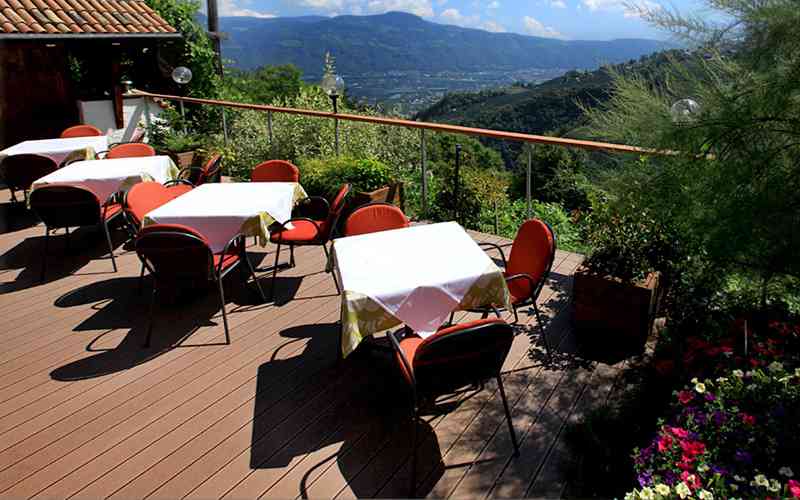
How to extend the lifespan of plastic wood flooring through installation and maintenance
Ensure that the ground is level during installation and reserve sufficient expansion joints to avoid deformation caused by thermal expansion and contraction. Use stainless steel or galvanized fittings to prevent rust contamination. Regularly clean the surface gravel and rinse the stains with a neutral cleaner. Check the tightness of fasteners annually and reinforce them in a timely manner. Avoid long-term immersion in stagnant water, and pay attention to smooth drainage during the rainy season. For severe stains or mold spots, specialized plastic wood cleaning agents can be used for treatment. Avoid dragging and scratching the surface with heavy sharp objects. It is recommended to use a plastic shovel for winter snow removal and avoid scratching with metal tools.