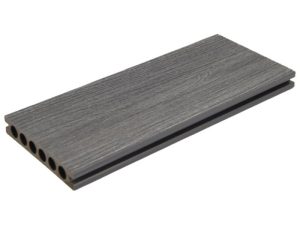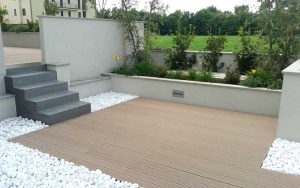
When we talk about home decoration, environmental protection and sustainability have become the core concerns of more and more people. Among numerous flooring options, WPC (wood plastic composite) flooring is often marketed with a “green” label. However, what is the truth behind its environmental commitments? To unveil this veil, we need to go beyond surface propaganda and objectively examine it from raw material traceability, production process to the entire lifecycle, in order to see its true impact on the environment.
Environmental Characteristics of WPC Flooring: Analysis of Materials and Production Processes
The core environmental advantage of WPC flooring lies in the regeneration of raw materials. It is mainly made by mixing plant fibers such as waste wood powder and rice husks with recycled plastics (such as PE and PP), effectively reducing wood logging and plastic pollution. In the production process, most enterprises adopt low-temperature extrusion molding technology, which consumes less energy than traditional processes such as ceramic firing, and does not add formaldehyde, reducing indoor pollution risks from the source. However, some products may still use non recycled plastics or contain chemical additives, and specific ingredients need to be considered. Overall, WPC embodies the environmental concept of “turning waste into treasure” through resource recycling and clean production.
Sustainability Comparison: A True Competition between WPC and Traditional Flooring Materials
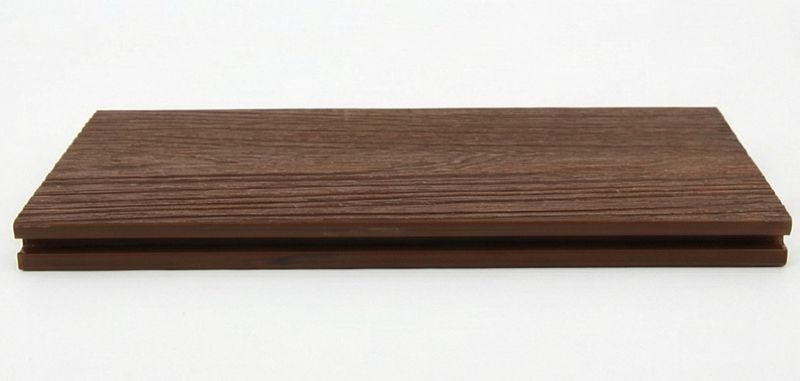
From the perspective of resource consumption, solid wood flooring relies on deforestation, while tile production requires a large amount of minerals and high-temperature firing, resulting in high energy consumption. WPC flooring is mainly made of waste wood powder and recycled plastic, significantly reducing reliance on natural resources. In terms of durability, WPC is moisture resistant and corrosion-resistant, not easily deformed, and has a service life of more than 10 years, which is superior to easily worn solid wood and fragile tiles, reducing replacement frequency and waste generation. Throughout its entire lifecycle, WPC typically has a lower carbon footprint than traditional materials, from raw material recycling to low-energy production, and then to long-term use. However, it should be noted that some WPC products contain new or recycled materials of varying quality, which may affect their environmental performance.
Usage and Disposal: How to Maximize the Environmental Benefits of WPC Flooring
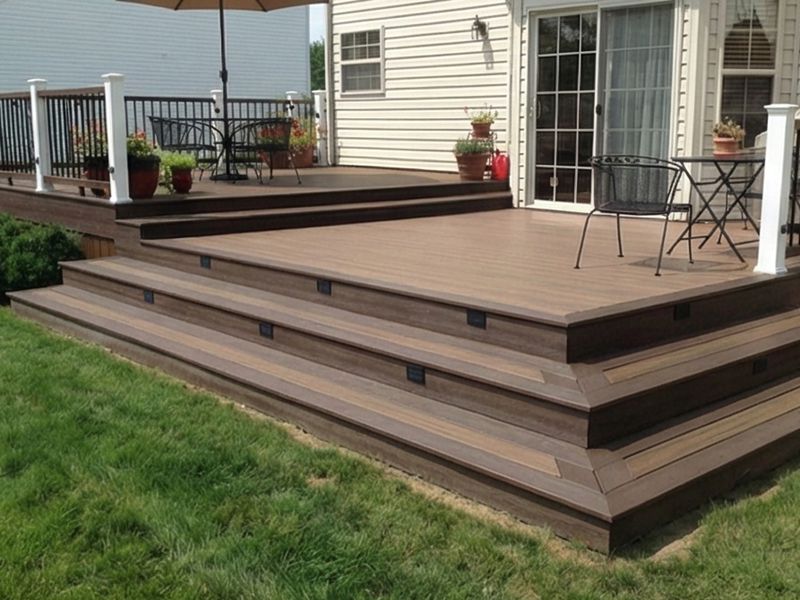
Proper installation can avoid material waste and ensure the stability of the floor structure. Use neutral cleaning agents for daily cleaning to avoid surface corrosion caused by strong acids and alkalis. Preventing heavy objects from scratching and long-term direct sunlight can significantly extend its service life and reduce replacement frequency.
When WPC flooring reaches its service life, priority should be given to contacting the manufacturer or professional organization to assess the possibility of recycling. Some products can be crushed and granulated to produce low demand plastic wood products. If it is not possible to recycle, solid waste should be classified and disposed of according to local regulations to avoid littering and causing environmental burden.
Choose products that have obtained green certification and pay attention to the manufacturer’s recycling policy. Consumers can transform the environmental potential of WPC flooring into actual environmental benefits through rational use and scientific disposal.